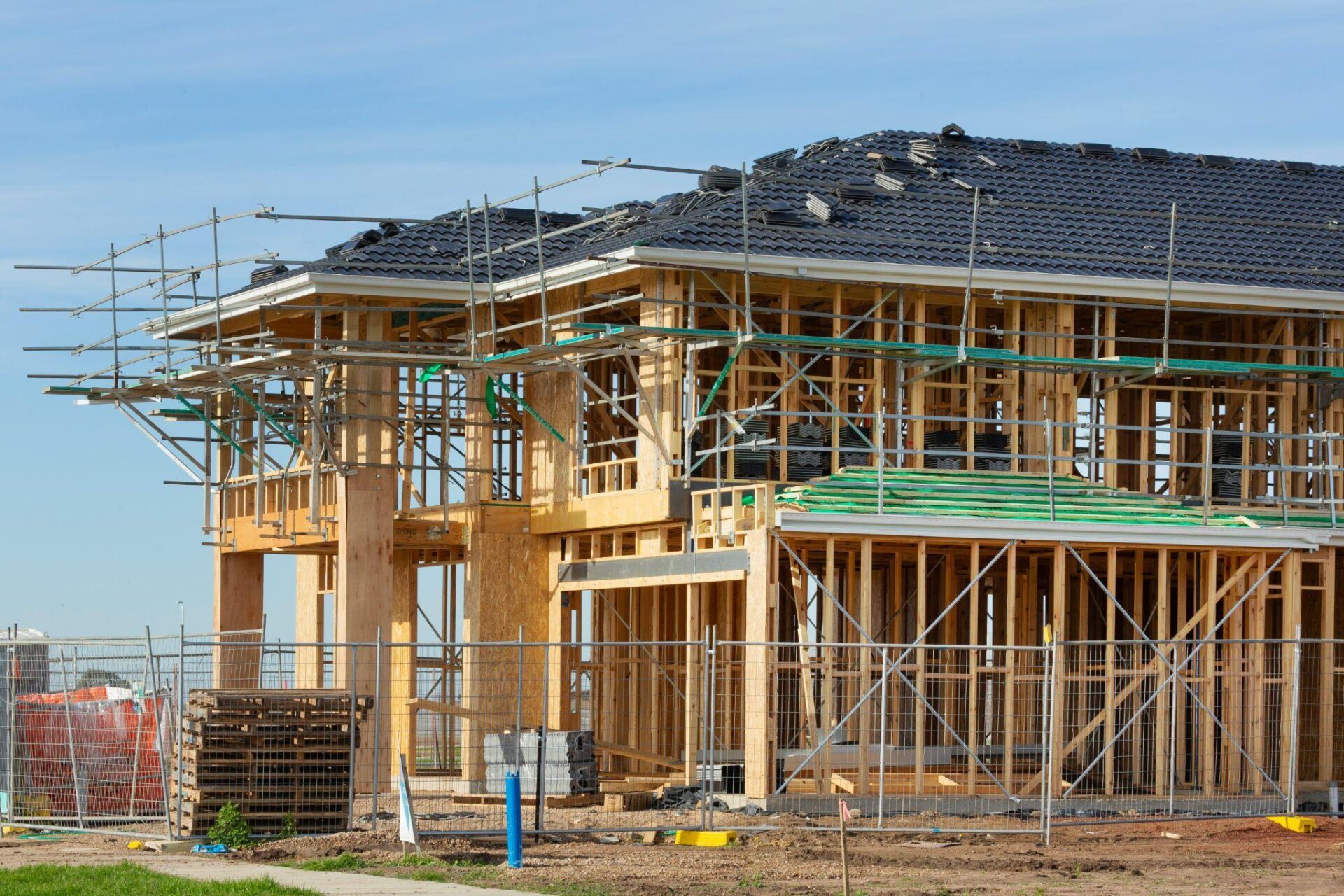
Construction projects rarely begin with bricks and beams; they begin with scrutiny. Before a lender releases funds for a build, every detail is carefully evaluated to determine whether the project is financially sound, realistically executable, and supported by capable stakeholders. This is why construction loan applications are often more detailed and demanding than standard mortgage requests.
From credit profiles to construction timelines, lenders assess multiple layers of risk before approving financing for a project that has yet to take physical form. Understanding these expectations is essential for anyone planning a residential build or exploring construction loans.
This article breaks down exactly what lenders look for and why each factor plays a critical role in determining approval outcomes.
1. Borrower Creditworthiness: The Financial Foundation
At the core of every construction loan decision is the borrower’s financial profile. Lenders closely evaluate credit scores, debt-to-income ratios, liquidity, and repayment history. Strong creditworthiness remains one of the most influential factors in loan approvals because it reflects a borrower’s ability to manage financial obligations responsibly.
Most lenders prefer higher credit scores for construction financing compared to traditional mortgages due to the increased risk during the building phase. Stable income and sufficient reserves are also critical, as unexpected delays or cost adjustments can occur during construction.
In high-demand regions, lenders may apply even stricter financial thresholds due to market volatility and rising material costs.

2. Builder Experience: Execution Matters
Even the strongest borrower profile can be weakened if the selected builder lacks experience. Lenders typically assess a builder’s track record, licensing, past project quality, and ability to complete work on time and within budget.
Research highlights that construction delays and contractor inefficiencies remain among the top contributors to cost overruns in residential projects. This makes builder credibility a major risk-control factor for lenders.
Experienced builders with documented portfolios reduce uncertainty, especially in competitive markets, where timelines and compliance requirements can be strict.
3. Project Feasibility: Plans, Timelines, and Budget Realism
Lenders do not simply evaluate who is building; they evaluate what is being built. A detailed construction plan is essential, including architectural drawings, material specifications, permits, and a clearly structured budget.
Construction lenders typically require a “draw schedule” that aligns loan disbursements with completed project milestones. This ensures funds are released progressively rather than upfront, reducing exposure to incomplete work or budget mismanagement.
Feasibility analysis also includes verifying whether the proposed timeline is realistic. Projects in fast-growing areas often face stricter timeline scrutiny due to labor availability and supply chain fluctuations.
4. Financial Stability of the Project Itself
Beyond personal finances and builder capability, lenders assess whether the project makes financial sense. This includes evaluating total project cost, contingency buffers, and projected property value upon completion.
Lenders are particularly attentive to cost-to-value ratios to ensure that completed homes align with market appraisals. If projected costs significantly exceed expected value, financing risk increases substantially.

5. Risk Controls and Regional Lending Variations
Construction lending is highly sensitive to geography. Regional market conditions, labor costs, and regulatory environments all influence underwriting decisions.
Lenders increasingly incorporate local economic indicators into underwriting decisions to better manage construction risk exposure.
6. Documentation and Compliance Readiness
A complete application package is essential. Lenders expect detailed documentation, including income verification, construction contracts, permits, insurance coverage, and detailed cost breakdowns.
Incomplete documentation is one of the most common causes of delays in construction financing approvals. When applying for construction loans in Texas, thorough documentation significantly improves approval efficiency.
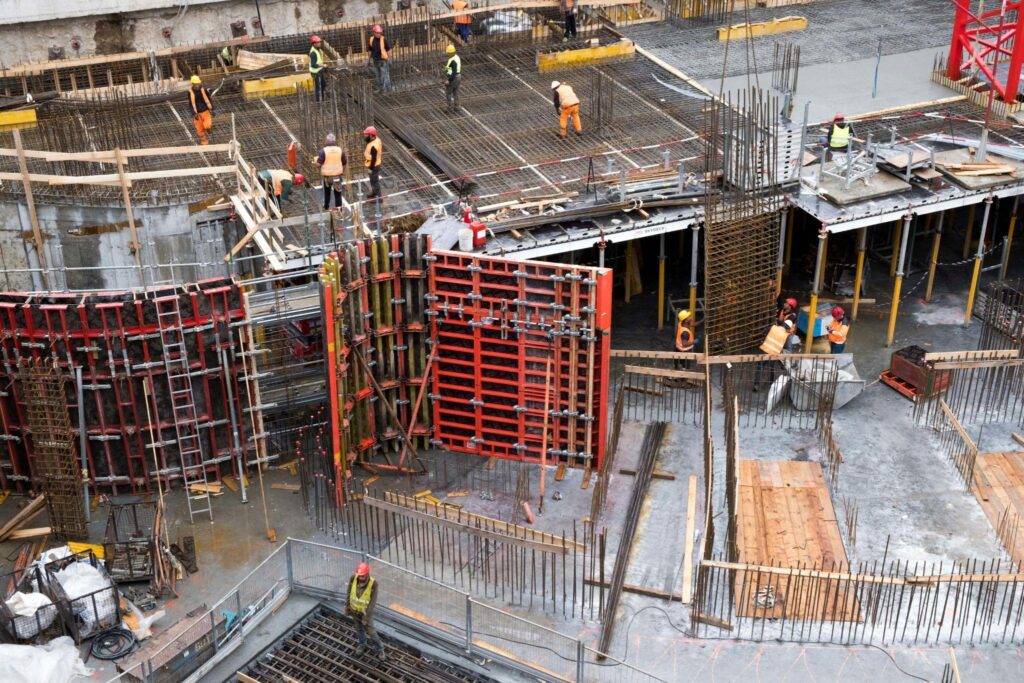
Bringing a construction project from concept to completion requires more than vision; it requires financial alignment, disciplined documentation, and lender confidence at every stage.
Insula Capital Group provides tailored construction financing solutions designed to align with real-world project timelines and borrower needs. Our approach focuses on evaluating project viability holistically, balancing borrower qualifications, builder experience, and budget realism to help streamline the lending process from application to completion.
Contact us today to evaluate your construction financing options and move your project forward with clarity, structure, and confidence.