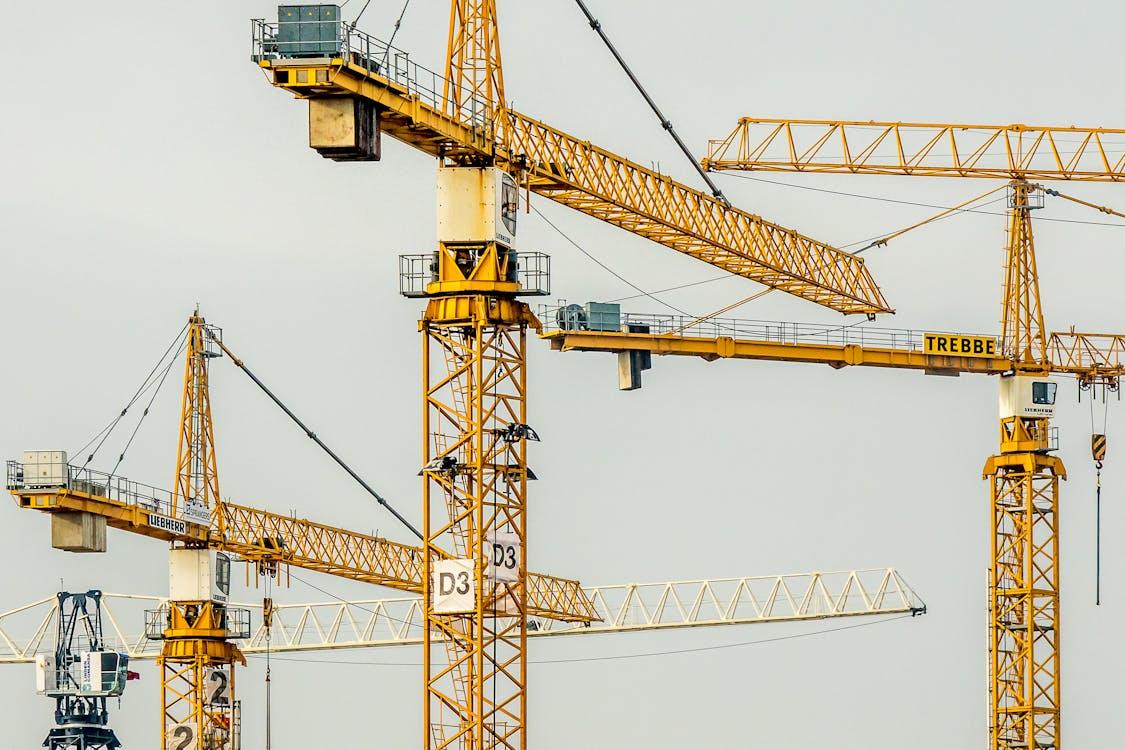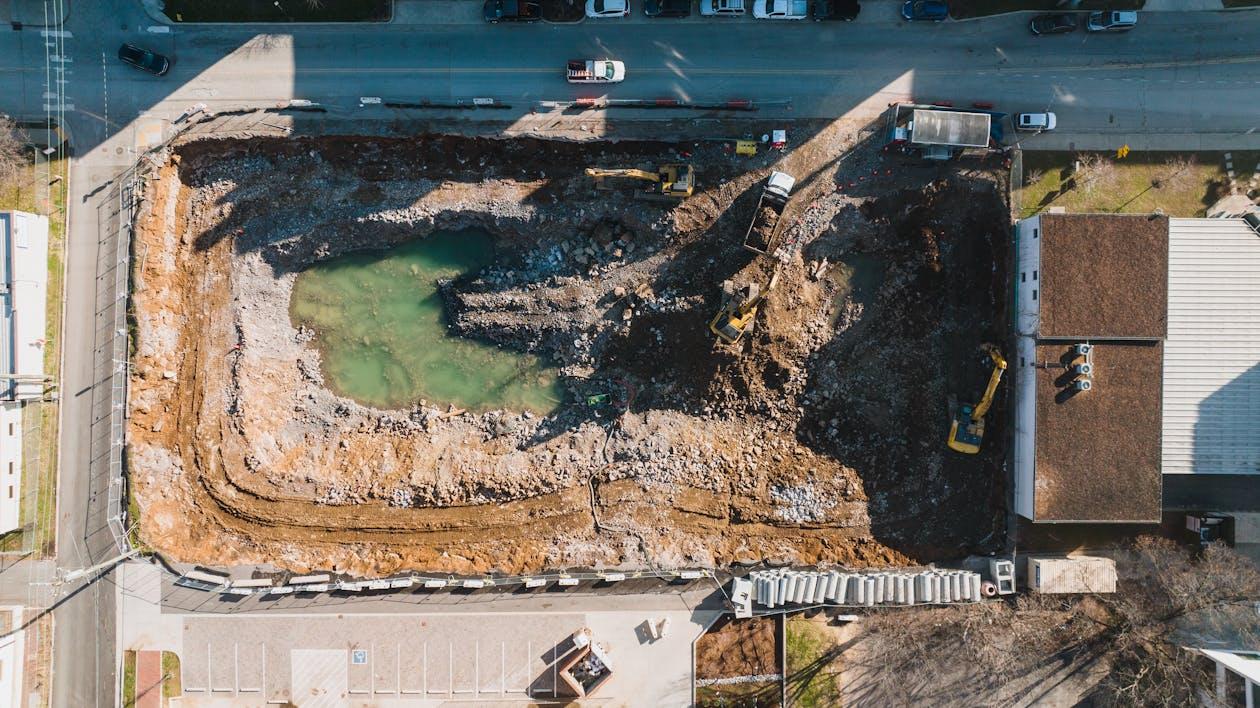
Construction projects require more than strong designs and reliable contractors. One of the biggest factors behind successful development projects is consistent financing management from the early planning stages through final completion.
Even well-planned projects can face delays, cost overruns, or operational pressure when funding is not structured properly. Smart developers understand that construction financing is not just about securing capital at the beginning; it is about maintaining stable financial support throughout the entire project lifecycle.
In today’s market, where material costs, labor expenses, and interest rates can shift quickly, developers are taking a more strategic approach to funding construction projects.
Construction Financing Starts Before Groundbreaking
Experienced developers begin planning financing long before construction starts. They evaluate:
- Land acquisition costs
- Permitting timelines
- Labor availability
- Material pricing trends
- Contingency reserves
- Project completion schedules
Financing decisions made early often determine how smoothly a project moves later.
Developers who underestimate timelines or costs may face funding shortages halfway through construction, which can create delays and increase carrying costs significantly.
Why Cash Flow Management Matters During Construction
Construction projects typically involve ongoing expenses before revenue is generated. Contractors, suppliers, permits, inspections, and equipment all require consistent payments throughout the project timeline. Without proper cash flow planning, even profitable developments can become financially strained.
This is why many developers focus on staged financing structures that release capital at different phases of construction. This approach helps maintain liquidity while reducing unnecessary borrowing costs.
The Role of Construction Loans
Most developers rely on specialized financing rather than paying entirely out of pocket. Structured lending solutions allow developers to preserve capital while funding large-scale projects more efficiently.
Many projects begin with new construction loans, which are designed specifically to support ground-up residential or investment developments.
These loans often cover:
- Construction labor
- Building materials
- Permits and inspections
- Project management expenses
- Interest reserves
Because construction financing is tied closely to project progress, lenders usually release funds in stages as work is completed.
Why Developers Prioritize Flexible Financing
Construction rarely moves exactly according to schedule. Weather delays, permit adjustments, labor shortages, and supply chain disruptions can all affect timelines.
Developers who work with rigid financing structures may struggle when unexpected changes occur. This is one reason many investors explore options like hard money construction loans, which may offer faster approvals and more flexible underwriting compared to some traditional lending structures.
Flexible financing can help developers maintain project momentum when timing becomes critical.
Keeping Reserve Funds Available
One of the most common mistakes in construction development is failing to maintain adequate reserves. Even carefully budgeted projects can encounter unexpected expenses.
Smart developers typically prepare for:
- Material price increases
- Additional labor costs
- Inspection delays
- Utility connection expenses
- Weather-related setbacks
Reserve planning helps prevent projects from stalling when costs rise unexpectedly.
Developers who rely too heavily on maximum leverage often leave themselves vulnerable to disruptions later in the process.
Managing Financing Draw Schedules
Construction financing is usually distributed through draw schedules rather than one lump-sum payment. Lenders release funds as certain milestones are completed.
This process helps control risk for both lenders and developers.
Developers who manage draw schedules efficiently often:
- Keep documentation organized
- Maintain communication with contractors
- Schedule inspections proactively
- Monitor budgets closely
Delays in documentation or inspections can slow funding releases, which may impact contractor payments and project timelines.
Why Exit Strategy Planning Is Critical
Strong developers plan not only for construction financing but also for what happens after completion.
Depending on the project, the exit strategy may include:
- Selling completed homes
- Refinancing into long-term rental financing
- Transitioning into permanent commercial financing
- Holding properties for cash flow
This planning affects how the original financing is structured from the beginning. Some developers use hard money loans for real estate during construction phases before transitioning into permanent financing after stabilization or sale.
Technology and Data Are Improving Financing Decisions
Modern developers are increasingly using project management software, cost forecasting tools, and financial tracking systems to monitor funding performance in real time.
These systems help developers:
- Track construction budgets
- Identify delays early
- Forecast cash flow needs
- Improve lender reporting
- Reduce operational inefficiencies
Better financial visibility allows developers to make faster and more informed decisions throughout construction.
At Insula Capital Group, we understand how important stable financing is throughout every phase of construction. We provide new construction loans that help developers fund projects from initial planning through completion. Our hard money construction loans offer flexible solutions for projects that require faster funding timelines or nontraditional structures. We also support investors using hard money loans for real estate to acquire and develop residential properties efficiently. Whether the goal is new development or project expansion, our team works to provide funding solutions designed around real construction timelines.